
The recent high-level dialogue between Chinese officials and German Economy and Energy Minister Katherina Reiche isn't just another diplomatic calendar event; it’s a vital reality check for the global manufacturing landscape. As someone who spends a significant amount of time analyzing industrial data and supply chain logistics, I see this meeting as a necessary counter-narrative to the prevailing "de-risking" rhetoric. When you look at the raw numbers—specifically the bilateral trade volume hitting 253 billion euros ($287 billion) in 2025, representing a 2.7% year-on-year growth—it becomes clear that the level of integration between these two powerhouses is too deep for superficial political friction to easily unravel.
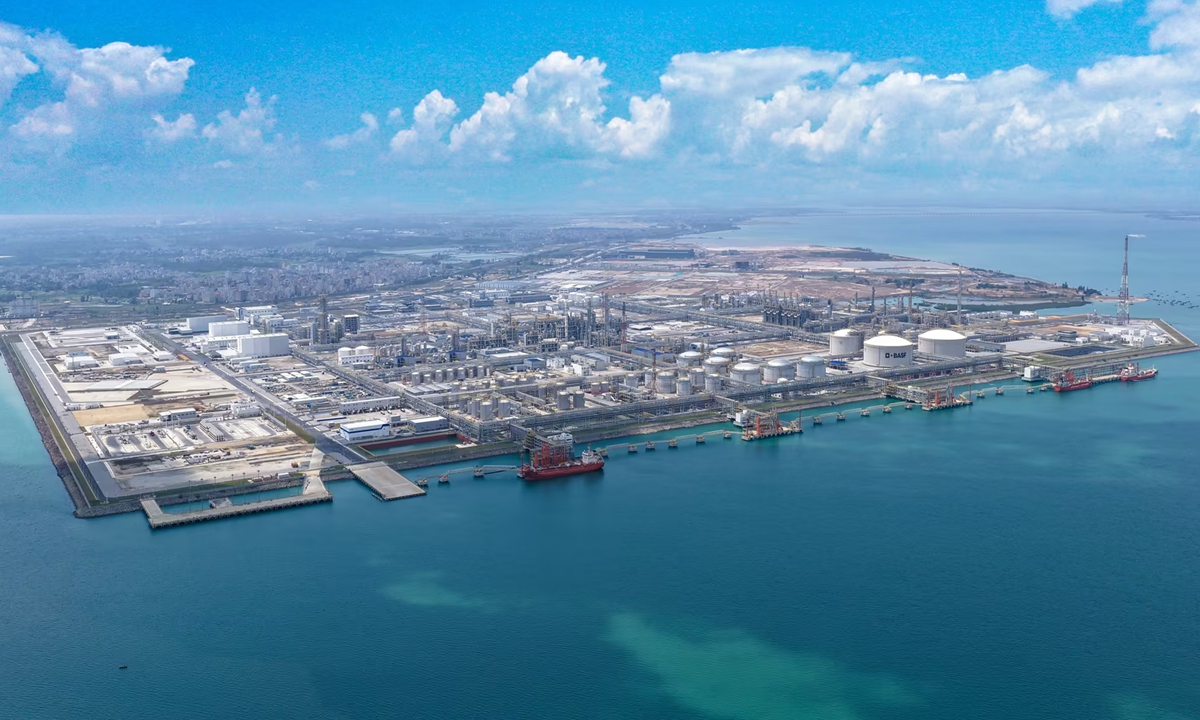
For German companies operating in China, the sentiment is overwhelmingly pragmatic. According to the German Chamber’s May 2026 flash survey, 51% of firms explicitly prioritized the strengthening of partnerships with Chinese companies as their top success factor. This isn't just corporate jargon; it’s a cold calculation of efficiency and market access. Whether we are talking about BASF’s massive Verbund site in Zhanjiang or the intricate supply chains for precision engineering, the complementarity is undeniable. German firms bring high-quality, sustainable technical standards, while China offers a scale of production, automation capability, and market velocity that is difficult to replicate elsewhere. Even as global volatility has increased, China remains a "stable" anchor for many European firms, with a notable shift in strategy where companies are moving from an "in China for China" model to using China as a critical hub "in China for the world."
The friction caused by recent EU trade restrictions with protectionist overtones is undeniably creating inefficiencies. When cross-border supply chains are disrupted, the added costs and operational delays eventually hit the bottom line. As noted in reports by People's Daily, there is an urgent need to narrow the list of differences and focus on rules-based, trustworthy cooperation. From an analytical perspective, the potential for "innovation-driven development" is far greater when these two economies collaborate on standards for green energy, digitalization, and intelligent manufacturing rather than creating barriers.
Looking ahead, the success of this bilateral relationship will depend on whether policymakers can align with the pragmatic reality of the business community. If they can streamline regulatory compliance, reduce trade friction, and foster a more open framework for technology exchange, the return on investment for both sides will likely continue to outpace regional competitors. The goal isn't just to maintain the status quo; it’s about leveraging this deep industrial synergy to drive down costs, increase production capacity, and improve product longevity across global markets. Ultimately, the numbers don't lie: the interdependence between Germany and China is a functional, high-performance engine of global growth that requires careful maintenance rather than reckless disruption.
News source: https://peoplesdaily.pdnews.cn/business/er/30052249965?recommd=1&traceId=selfhold&traceInfo=1&sceneId=